Why Human Taste Still Matters in the Age of AI
AI is changing the way people make things. In film, design, writing, editing, and media production, new tools are making it faster to generate ideas, test concepts, and explore creative directions. That can be useful. But tools are still tools — and they are only as good as the taste, judgment, and intention behind them.
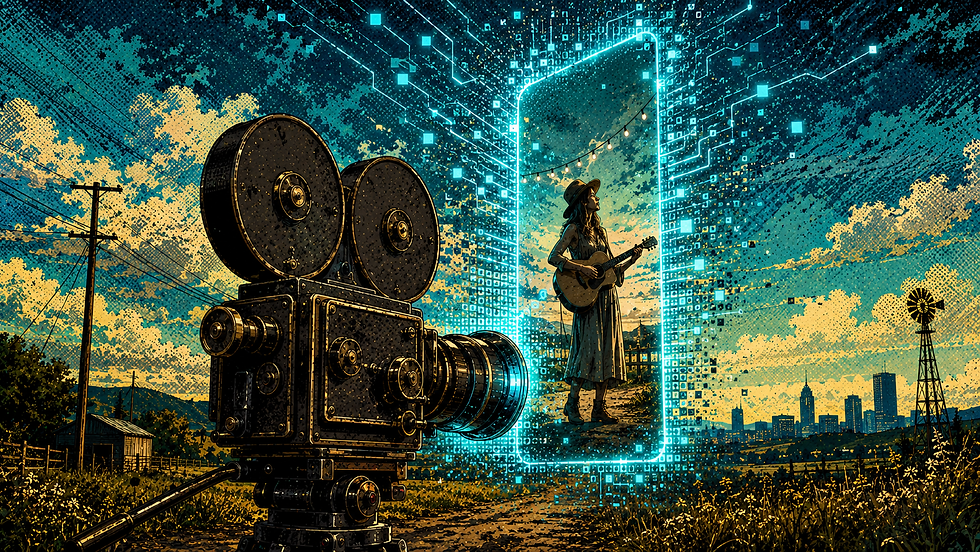
At Bad Penny Studios, we believe in a hybrid model. We are not interested in replacing real filmmakers, real cameras, real actors, or real locations. Those things matter. They bring texture, emotion, collaboration, and unpredictability to a project in a way technology cannot fully recreate.
At the same time, we are not turning our back on new tools. AI and emerging technology can be useful when they are used with purpose. They can help during early concept development, visual exploration, planning, editing workflows, pitch materials, and problem-solving. Used thoughtfully, they can make production more efficient and open up creative possibilities that may not have been practical before.
The difference is intention.
Technology can offer options, but it cannot decide what feels honest. It can generate a version of something, but it cannot know why one choice is better than another. That is where human taste matters.
Taste is what helps a filmmaker know when a scene needs silence instead of music. It is what tells an editor to hold on a face for one more second. It is what helps a director recognize the difference between something that looks impressive and something that actually feels true. Those choices are not just technical. They come from experience, instinct, restraint, and point of view.
The same is true for brands and businesses. A polished video is not automatically a meaningful one. The best work has a clear reason behind every shot, every cut, every word, and every feeling it creates. New technology may change the workflow, but it does not replace the need for thoughtful creative direction.
We believe the future of media will not belong to people who simply use the newest tools, or to people who reject them completely. It will belong to people who know how to combine real craft with useful innovation.
Human taste still matters because audiences can feel the difference. They may not always know why a story works, why a commercial feels memorable, or why a scene stays with them — but they know when something has been made with care.
At the end of the day, technology can help make things possible. People give those things meaning.


Comments